After 40 years as a sales keynote speaker, I’ve learned that stronger relationships, better communication, and greater confidence lead to better results.
After more than 40 years of speaking to sales teams, franchise groups, entrepreneurs, and leaders, I’ve learned something interesting: the biggest obstacle to success usually isn’t the economy, the competition, technology, or even the prospect. More often than not, it’s the six inches between our ears.
I’ve met salespeople who can walk into any room and start a conversation with anyone, yet they freeze when it’s time to ask for the business. I’ve met top performers who appear incredibly confident on the outside while quietly struggling with self-doubt. I’ve met leaders who spend all their energy trying to motivate their teams when what their people really need is clarity, connection, and belief in themselves.
What fascinates me is that no matter where I speak or what industry I’m working with, people are people.
The Biggest Sales Obstacle Isn’t What You Think
We all want to feel valued. We all want to be understood. We all want to know that what we do matters. When those needs aren’t being met, it shows up everywhere. It shows up in our relationships, our confidence, our communication, and yes, our results.
As a sales keynote speaker, I’ve worked with organizations across virtually every industry, and I’ve discovered that the challenges are remarkably similar. Whether it’s a national sales conference, a franchise convention, or a leadership retreat, people succeed when they understand themselves and others more effectively.
That’s why I believe sales is, and always will be, a people business.
Why People Skills Matter More Than Sales Scripts
That’s one reason I’ve never been particularly interested in teaching scripts.
Don’t get me wrong. The words matter. But people don’t buy because you memorized the perfect line. They buy because they trust you. They buy because they feel heard. They buy because they believe you understand them. That’s a people skill far more than it’s a sales skill.
The good news is that people skills can be learned.
Confidence can be built. Communication can improve. Resilience can grow. I’ve watched it happen thousands of times throughout my career. In fact, it’s one of the reasons I still love what I do.
When I walk onto a stage, I’m not thinking about delivering a speech. And I’m DEFINITELY not worrying about a slide deck. I’m thinking about helping people see something they couldn’t see before. Sometimes it’s a blind spot. Sometimes it’s a limiting belief. Sometimes it’s a habit that’s been getting in their way for years.
The Fastest Path to Change Is Often Laughter
If you’ve ever seen me speak, you know I use a lot of humor.
That’s not because I’m trying to become a stand-up comedian.
It’s because humor has a way of lowering our defenses. We laugh at a story and suddenly recognize ourselves in it. We stop pointing fingers at everyone else and start looking in the mirror. That’s where growth begins.
Some of my favorite moments happen when an audience goes from laughing to nodding because something just clicked. They recognize a behavior, a pattern, or a mindset that’s been holding them back. Not because I told them what to do, but because they saw it for themselves.
Those moments create lasting change.
The Results Always Follow the Relationship
Now, before you think this is all about mindset and self-awareness, let me connect the dots.
When people communicate better, they build stronger relationships. When they build stronger relationships, they earn more trust. And when they earn more trust, good things happen.
- Salespeople close more transactions.
- They create stronger pipelines.
- They generate more referrals.
- They build client relationships that last for years instead of months.
- They become the people prospects remember, recommend, and return to.
I’ve watched it happen over and over again. Someone leaves an event with a fresh perspective, renewed confidence, and a better understanding of how people work. They start showing up differently. They listen better. They connect more authentically. They stop relying on pressure and start building trust.
And the results follow.
That’s why organizations bring in motivational speakers for sales teams in the first place. Not for a temporary boost of enthusiasm, but for lasting behavioral change that translates into stronger performance long after the event is over.
Why I Still Love Walking Onto a Stage
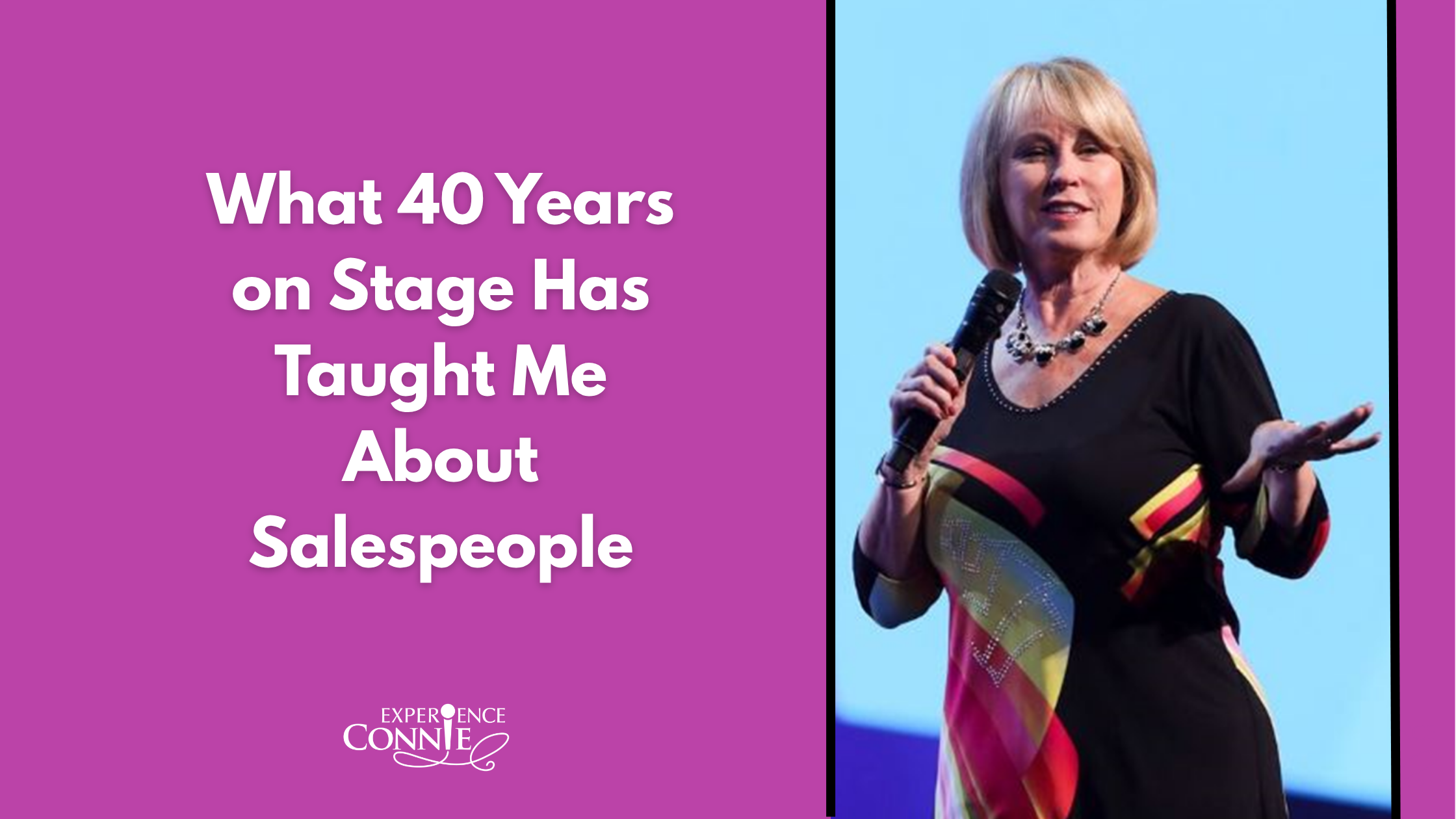
After four decades on stages around the world, I still love what I do.
Not because I get to speak.
Because I get to watch what happens afterward.
The new conversations. The new opportunities.
The breakthroughs people didn’t think were possible just a few months earlier.
I’ve seen people transform their businesses, strengthen their leadership, top sales charts, and build careers they genuinely enjoy. Not because they learned a clever closing technique, but because they learned how to connect more effectively with the people around them.
After all these years, I’ve learned that success has far less to do with what you’re selling and far more to do with how you’re connecting.
Fortunately, that’s a skill every one of us can develop.
Let’s Start a Conversation
If you’re a leader, meeting planner, conference organizer, or event professional looking for a keynote that delivers more than a temporary motivational boost, I’d love to have a conversation.
Let’s talk about your audience, your goals, and how we can create an experience that leaves people laughing, learning, and walking away ready to do something extraordinary with what they’ve learned.
Ready to explore your event? Visit my Book Connie page and let’s start the conversation.

About Connie Podesta
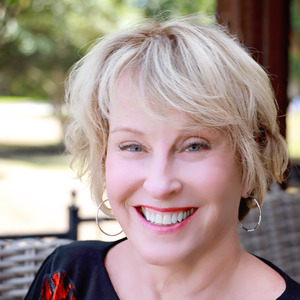
Connie Podesta is a Hall of Fame keynote speaker, bestselling author, former licensed therapist, and one of the most sought-after sales and motivational speakers in North America. For more than 40 years, she has helped sales teams, franchise organizations, leaders, and entrepreneurs improve communication, strengthen relationships, and achieve extraordinary results.